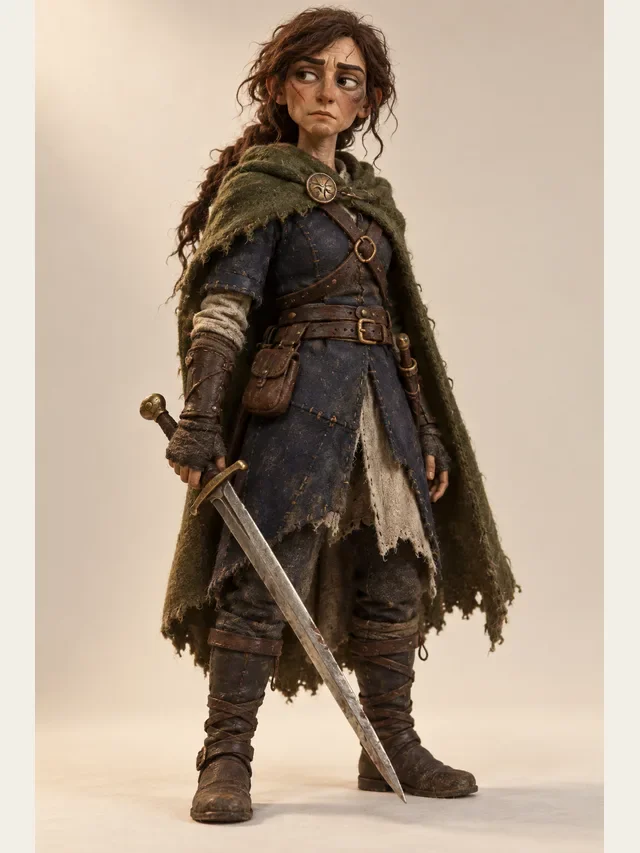
Rebirth drama7 languages



 5 characters
Sample A · Showdown at the engagement party
Reborn on the day of her engagement, she exposes her fiancé in front of everyone — one cast, seven languages.
0:39
Heroine · Lin WanCold laugh这杯酒,你还是留着自己喝吧。 / Keep that glass. You'll want it for yourself. / แก้วนี้ คุณเก็บไว้ดื่มเองเถอะค่ะ / Ly rượu này, anh giữ lại mà uống đi. / Gelas ini, lebih baik kamu minum sendiri saja. / Esa copa, mejor bébetela tú. / Essa taça, é melhor você mesma beber. / そのお酒、あなたが飲めば? / 그 잔은 너나 마셔.
Same cast. Nine languages.
Paste a script and AI splits the cast, acts every line with emotion, and exports an MP3 per episode plus line-timed SRT, ready to drop into CapCut.
Narrator
Midnight Radio · 2 lines
5 roles · 8 lines
537 / 8,000 charsSame cast · Chinese
One cast, nine languagesSoutheast Asian languages
Adapt a Chinese script into 8 foreign languages, with every character played by the same voice. Pick a language and hear the engagement-party scene again.
One voice per character, in every language
Switch to Spanish or Japanese and the heroine still sounds like herself — viewers know exactly who is talking.
Forms of address, slang and tone, adapted
“姐姐” becomes 언니 in Korean and Kak in Indonesian. Lines are rewritten the way locals talk, not translated word for word.
Billed on the adapted script
Each language is charged by the length of its adapted script, and failed runs are refunded automatically.
Sample A · Showdown at the engagement party
5 charactersPick a language and hear the same cast again
Southeast AsianChinese5 characters · same cast0:39
Script excerpt
Reborn on her engagement day, she exposes her fiancé in front of everyone
Narrator订婚宴当天,她睁开眼——重生回了被背叛的那一天。Heroine这枚戒指,留给你真正想娶的人吧。Villain姐姐,大家都看着呢,你别闹了……CEO她说的每一个字,我都能作证。Father够了!这婚,不订了。Hover or tap a character to highlight their line
Every AI-dubbed sample starts as a plain script. The narrator, the leads and the villain each get their own voice, and every line is acted, not just read.
5 charactersReborn on the day of her engagement, she exposes her fiancé in front of everyone — one cast, seven languages.
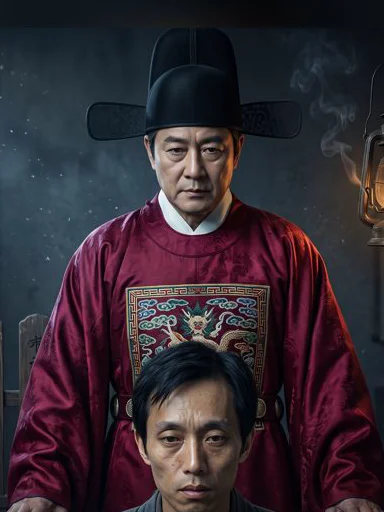


 6 characters
After three years sweeping leaves, a boy wins the sect tournament with a single strike.
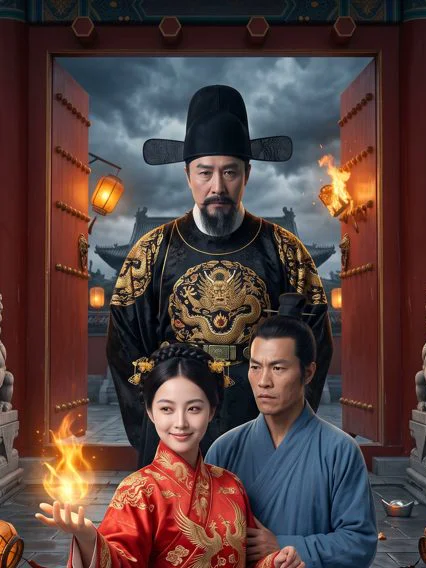

 5 characters
A deposed consort exposes a fake pregnancy just as the emperor walks in.

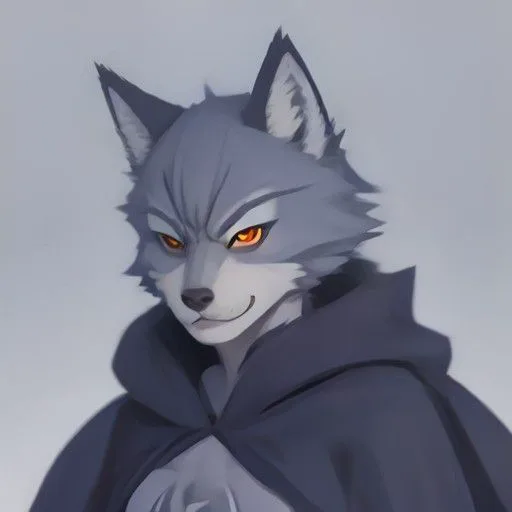 6 characters
She signs a secret-marriage contract, then learns the CEO falls asleep to her voice every night.
Same character, same words. Change a single emotion tag and the whole scene turns.
[furious] Three years of anger, one word at a time
“You knew. All this time, you knew.”English sample · same character
Taking dramas overseas, voicing AI comics, narrating novel promos, producing audio dramas: each job has its own tool page, and every one of them runs on the same AI cast.

Release a Chinese short drama in English, with the same voice for every character.
Your cast speaks Thai, so you can launch in Southeast Asia without hiring new voice actors.

Render Vietnamese episodes that keep the original roles and emotions.
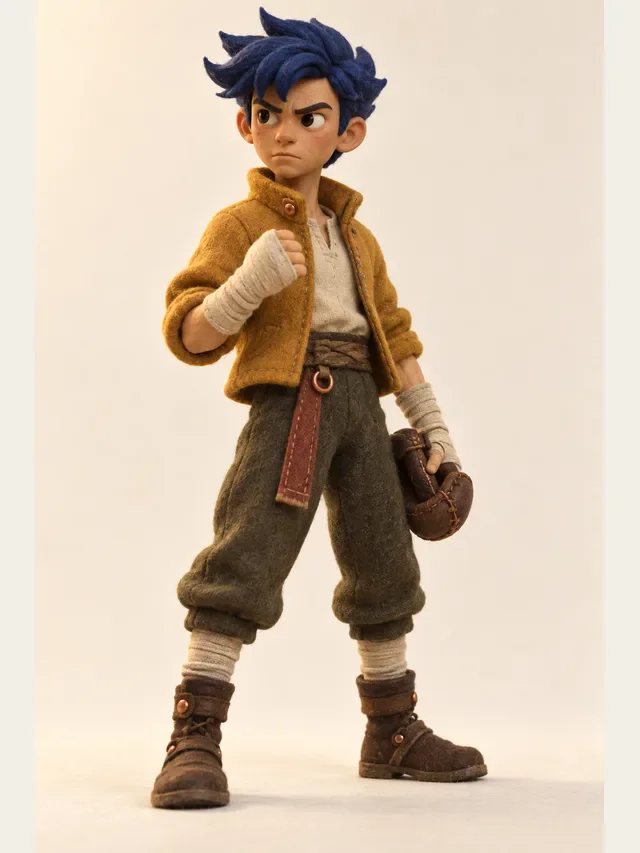
Paste the panel dialogue. Hero, villain and narrator each get a voice of their own.

Narration plus character lines, fast enough for a daily posting schedule.
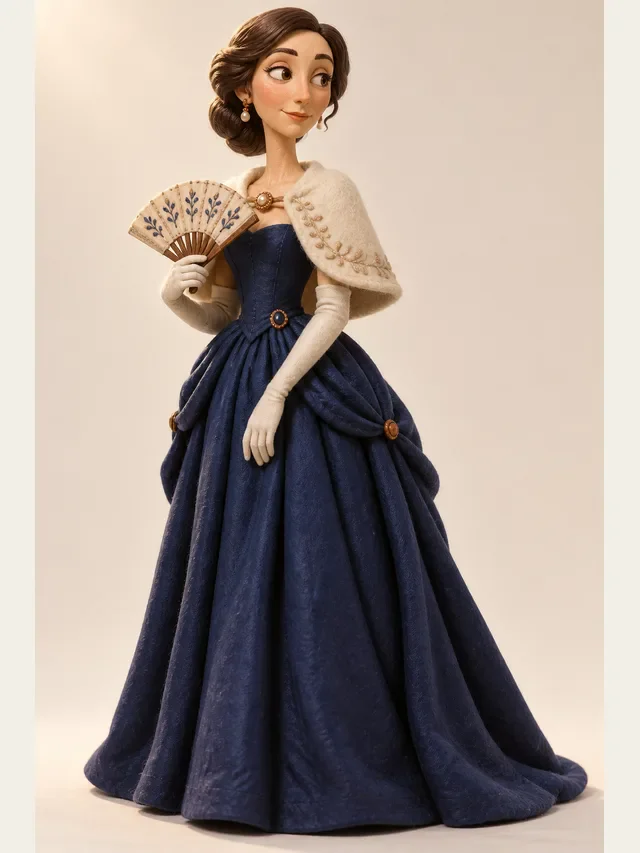
Voice an entire drama on your own, with a distinct voice for every role.
Paste, confirm, export. No booth, no switching voices line by line.
Paste the episode as "Name: line" and AI splits out every character; rows without a name go to the narrator.
Every character already has a voice; emotions come from bracket tags or a per-line pick. Swap anything with one click.
Pick languages and export an MP3 per episode, line-timed SRT or a ZIP of every language, then line it up in CapCut.
Sign up to dub a short clip free. No card needed.
Multi-character dubbing, per-line emotion, 8 foreign languages and line-timed subtitles: from script to edit-ready audio in one flow.
NarratorLin WanGu ChenSu RouButlerWrite the script as "Name: line" and AI splits out the narrator, leads, villain and extras, then gives each a fitting voice. Up to 8,000 characters per run; split long scripts by episode.
Lin WanCold laugh“You think I'd trust you again?”
Short dramas run on emotion. Write (sneering), (choked), (furious) or (whispering) in brackets before a line, or pick one per line in the cast list, and that line is performed that way.
Once the Chinese version is done, the same characters can speak English, Thai, Vietnamese, Indonesian, Spanish, Portuguese, Japanese and Korean. The language changes; the character doesn't.
A toast to you.One subtitle cue per line, timed to that line of audio. Drop the MP3 on the audio track in CapCut, import the SRT, and your vertical episode lines up in minutes. Picture and final export happen in your editor; we do not render video.
Audio is generated line by line: if one line fails, only that line re-runs and its credits come back automatically. Swap a character's voice and only that character's lines are re-voiced. For a series, keep a cast sheet and pick the same voices every episode.
AI short drama dubbing means handing a finished script to AI: it splits the narrator and every character from "Name: line" rows, gives each character a voice, performs every line with the emotion in brackets and produces the whole episode as multi-voice audio. AI Drama Voice starts from the script, and the same cast can speak 8 foreign languages — built for drama localization, AI comics and novel promos.
Picture and export happen in your editor; if the footage has Chinese voices baked in, use a voice-free version.
Try script-to-voice in the workshopCharacter voices for AI short drama dubbing: CEOs, queens, sweethearts, storytellers, villains — browse by role and press play.
24 voices
Previews are excerpts from sample episodes













Overseas drama teams, AI comic makers, novel promo channels, audiobook and audio drama producers. Different jobs, but each one starts from a script.
Take Chinese short dramas to overseas platforms in English, Thai and Vietnamese.
Build comic dramas from AI-drawn panels and publish them episode by episode.

Cut web novels into short promo videos that send viewers to the book.
Turn novels into multi-voice audiobooks and audio dramas.
Vertical short dramas
Every role voiced in one pass
AI comic dramas
A voice for every character on the page
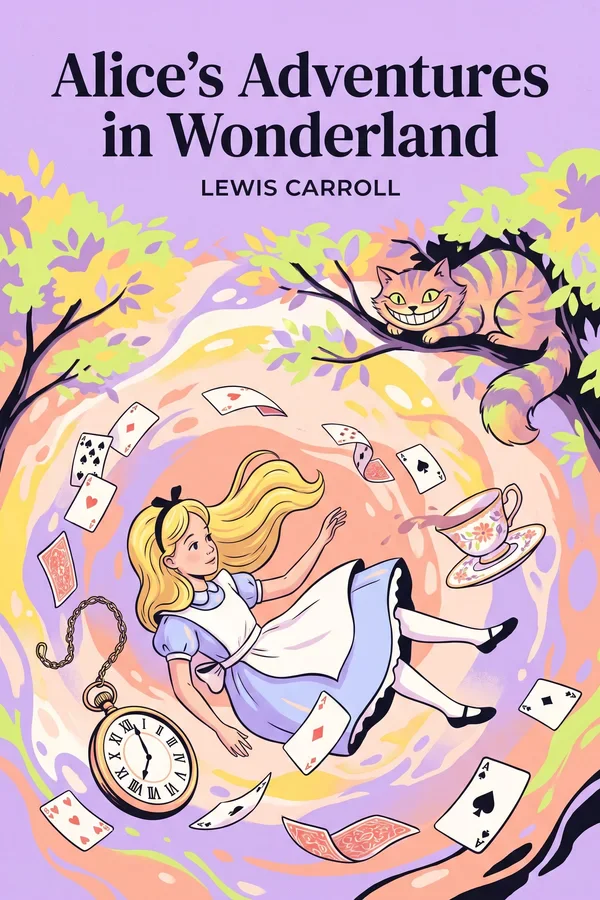
Novel promo clips
Narration and dialogue, full of feeling
Audiobooks
Long series, no voice mix-ups
Audio dramas
Big ensembles, always clear who’s talking
Course narration
Clear, steady instructor voice-over
Live-commerce scripts
Upbeat product pitches
Game cutscenes
NPCs and villains with voices of their own
Kids’ stories
The big bad wolf and the little rabbit, each in character
Podcasts
Two hosts, back and forth
Course narration
Clear, steady instructor voice-over
Live-commerce scripts
Upbeat product pitches
Game cutscenes
NPCs and villains with voices of their own
Kids’ stories
The big bad wolf and the little rabbit, each in character
Podcasts
Two hosts, back and forth
Vertical short dramas
Every role voiced in one pass
AI comic dramas
A voice for every character on the page
Novel promo clips
Narration and dialogue, full of feeling
Audiobooks
Long series, no voice mix-ups
Audio dramas
Big ensembles, always clear who’s talking
The same drama, four ways to dub it: a voice-actor studio, a generic TTS tool, a video-translation tool, or a platform built for AI short drama dubbing.
Swipe to see the full table
Based on how each type of tool usually works. Individual products vary.
Credits are spent on the characters you actually generate. Each foreign version is counted on its own text, and failed runs are refunded automatically. No per-episode bundles, no per-minute rates.
Credits arrive every month, for series you update regularly
For solo creators getting a first series off the ground
400credits / month
≈ 6 Chinese episodes · about 46 min of finished audio
| Voice | Episodes | Price per episode |
|---|---|---|
| Gemini 3.8 Flash TTS | ≈ 6 ep. | $1.56/ep. |
| ElevenLabs v3 | ≈ 1 ep. | $5.90/ep. |
For drama teams shipping daily, in Chinese and abroad
1,200credits / month
≈ 19 Chinese episodes · about 140 min of finished audio
| Voice | Episodes | Price per episode |
|---|---|---|
| Gemini 3.8 Flash TTS | ≈ 19 ep. | $1.31/ep. |
| ElevenLabs v3 | ≈ 5 ep. | $4.94/ep. |
For studios running several shows and localizing at scale
5,400credits / month
≈ 85 Chinese episodes · about 631 min of finished audio
| Voice | Episodes | Price per episode |
|---|---|---|
| Gemini 3.8 Flash TTS | ≈ 85 ep. | $1.17/ep. |
| ElevenLabs v3 | ≈ 22 ep. | $4.41/ep. |
Monthly credits last for the billing period; yearly credits are granted up front and last a year; credit packs last a year from purchase.
Card subscriptions can be cancelled anytime from the billing page; you keep your plan until the period ends and aren't charged again.
"One episode" = 2,000 Chinese characters of dialogue and narration on the default voice, about 63 credits; more lines cost more.
Script format, languages, exports, billing, AI labels and rights: read this before you start.
You hand a script to AI: it splits the narrator and characters from "Name: line" rows, gives each a fitting voice and performs every line with its emotion tag, producing a multi-voice episode in minutes. We start from the script — no video translation, no video rendering.
Paste text or upload a .txt, up to 8,000 characters per run. One row per line as "Name: line" or "Name (sneering): line"; rows without a name are read by the narrator, so delete scene numbers and SFX notes first. Submit long scripts episode by episode.
Speakers are split by name: a row starting "Name:" belongs to that character and anything else goes to the narrator — it never guesses from prose like "he said coldly". Before generating you can swap voices and change emotion per line in the cast list.
Yes. Besides Chinese: English, Thai, Vietnamese, Indonesian, Spanish, Portuguese, Japanese and Korean. Thai and Vietnamese are rare among similar tools, which makes them a fit for Southeast Asia.
No one gets replaced. In multilingual short drama dubbing each character keeps the same voice, speaker and emotion tags, just in the target language. Languages have their own rhythm, so delivery varies naturally.
An MP3 per episode and language, SRT subtitles timed per line, and a ZIP of every language. We do not render video: create a 9:16 project in CapCut, import the MP3 and SRT, line them up with your footage and post.
AI short drama dubbing is charged in credits by characters generated. If a line fails, its credits are refunded automatically. Casting analysis is free; plan prices and credits are on the pricing page.
Yes, within the terms of service, audio from AI short drama dubbing can be used commercially. Do not use it to impersonate real people, and make sure your script is lawful and doesn't infringe anyone's rights.
We don't help you hide it: every exported MP3 carries an implicit AI-generated label in its metadata. Platforms have their own rules, so add an explicit label (an on-screen badge or a spoken notice) as each platform requires before publishing, to avoid throttling or takedowns.
Alipay, WeChat Pay and bank cards. Credits arrive as soon as payment succeeds, and subscriptions can be cancelled anytime.
Script to voice takes four steps: format the script as "Name: line"; paste it into the workshop and analyze the cast; confirm each voice and each line's emotion; pick languages, generate and download MP3, SRT or ZIP. Then line the audio and subtitles up with your footage in CapCut.
Check four things: a distinct voice for every character in one episode; per-line emotion control; the languages you need (Thai, Vietnamese…) with the same voices after switching; line-timed subtitles and whether failures cost credits. Our comparison page lines up common tools on exactly these points.
The SRT has one cue per line, timed to that line of audio. In a 9:16 CapCut project, place the MP3 at 0:00 on the audio track and import the SRT; the subtitles land in place, then adjust size and position.
Write it in brackets before the line, e.g. "Suman (sneering): Drink it yourself", or pick it per line in the cast list. Eight are available: sneering, choked, whispering, furious, tender, excited, calm and sarcastic; untagged lines are read in a neutral tone.
It depends on the episode's length and how many languages you pick: Chinese is counted on the original text, each foreign version on its adapted text. Analysis is free, the workshop shows an estimate before you generate, and the pricing page estimates episodes per plan.
The cast isn't carried across projects automatically. Write down the character-to-voice list from episode one and pick the same voices after analyzing each new episode; library voices don't change, so dozens of episodes in every character sounds the same.
There is no pronunciation dictionary yet. Rewrite the line or use a same-sounding character with one clear reading and regenerate; fix the subtitle text in CapCut if you need the original.
Southeast Asia with Thai, Vietnamese and Indonesian; the Americas and Europe with English, Spanish and Portuguese; Japan and Korea in their languages. We deliver the dub and subtitles per language; where you publish is up to you.
Still have a question? Open a ticket
Free tools, how-to guides, comparisons, alternatives and the full voice library — start wherever you are stuck.
Multilingual dubbing, casting by genre and a free duration and credit calculator.
All toolsPreparing scripts, choosing voices, tagging emotion, getting MP3 + SRT into CapCut.
Read the guidesDubbing tools side by side: languages, casting, emotion, exports and billing.
Compare toolsWhen your TTS tool runs out of road for multi-voice or multilingual work.
See alternativesCEO leads, heroines, narrators, villains and native foreign voices to audition.
ListenPaste the script, confirm the cast list, and export the whole episode as AI short drama dubbing in minutes.
Billed by characters generated · Failed runs refunded automatically · Alipay, WeChat Pay and cards