Speakers split by name
Write "Name: line" or "Name (sneering): line" and AI splits out every character; rows without a name go to the narrator. It never guesses speakers from prose like "he said coldly".
Producing a multi-character drama used to mean several voice actors, juggling schedules and mixing separate tracks. With this multi-character dubbing software you paste a script written as "Name: line", AI splits out every character with a voice of their own, performs each line with the emotion in brackets and voices the whole episode in order as MP3 plus line-timed SRT. One person becomes a whole voice team.
Pay per character · Failed runs refunded · Alipay / WeChat Pay accepted
Sample A · Showdown at the engagement party
Chinese · Script excerpt · 5 characters

NarratorCalm
重生回订婚宴的这一天,她终于看清了每一张笑脸背后的算计。
Reborn on the day of her engagement party, she could finally see the scheme behind every smile.

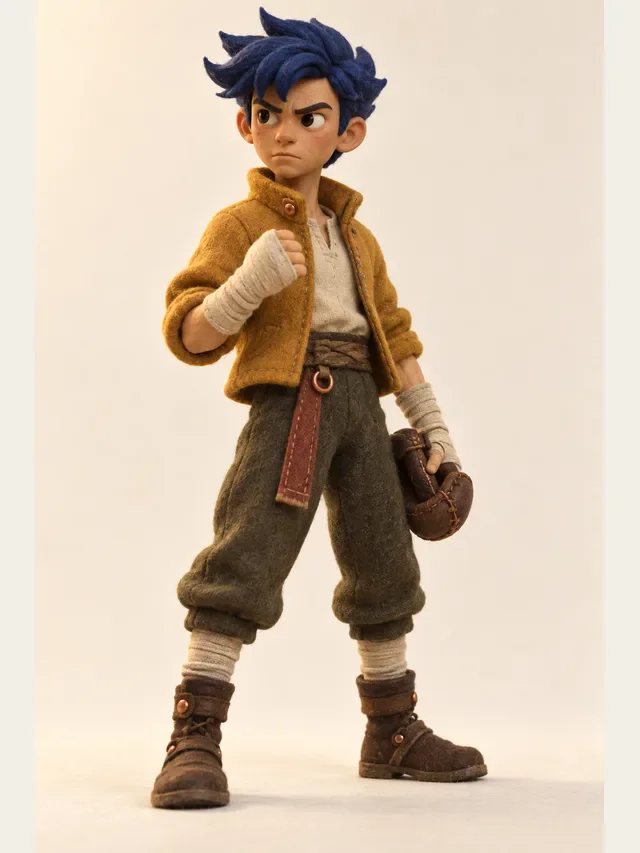
Best friend · Su TianTender
姐姐,喝了这杯,今晚你就是全场最幸福的人。
Drink this, sis. Tonight you'll be the happiest woman in the room.

Heroine · Lin WanCold laugh
这杯酒,你还是留着自己喝吧。
Keep that glass. You'll want it for yourself.

Fiancé · Gu ChengFurious
你疯了?今天是我们的订婚宴!
Have you lost your mind? This is our engagement party!
An excerpt from Showdown at the engagement party: narrator, heroine, fiancé, best friend and father trade lines in a single scene. Switch languages to hear the same cast in English, Indonesian, Spanish, Portuguese, Japanese and Korean.
 Rebirth drama
Reborn on the day of her engagement, she exposes her fiancé in front of everyone — one cast, seven languages.
39s
Sample A · Showdown at the engagement party
🇨🇳 Chinese39s
Script excerpt
重生回订婚宴的这一天,她终于看清了每一张笑脸背后的算计。
姐姐,喝了这杯,今晚你就是全场最幸福的人。
这杯酒,你还是留着自己喝吧。
你疯了?今天是我们的订婚宴!
正因为是订婚宴,才要当着所有人的面,把账算清楚。
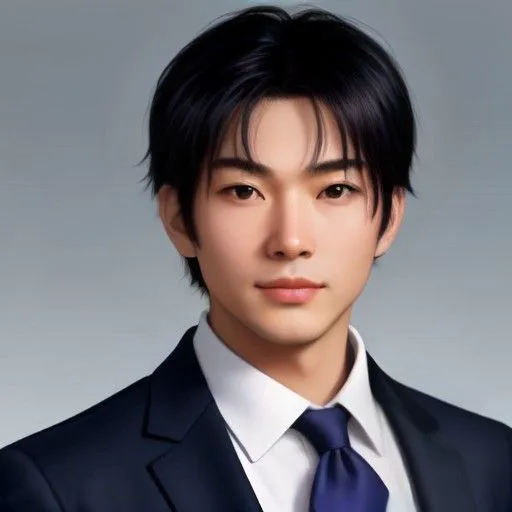
晚晚,你说的……都是真的?
Cast of this episode
NarratorHeroine · Lin WanFiancé · Gu ChengBest friend · Su TianFather · Lin ZhenguoPlenty of tools offer multiple voices, but most make you tag every speaker and pick every voice by hand. We hand that step to AI.
Write "Name: line" or "Name (sneering): line" and AI splits out every character; rows without a name go to the narrator. It never guesses speakers from prose like "he said coldly".
Voices are assigned by gender, age and personality, so leads, villains and extras each sound like themselves, and casting avoids giving two characters the same voice where it can. If two sound alike, swap one in the cast list.
Cold laugh, choked up, furious, whisper: each line carries an emotion tag, so the same character plays differently from scene to scene.
Each project keeps its own character-to-voice map. For a series, write down the cast you set in episode one and pick the same voices each episode, so dozens of episodes in every character still sounds the same.
Any text with three or more speakers.
Five or six characters plus a narrator per episode, generated in one run and delivered as one MP3 in script order, with no track stitching.
Add "Name:" to the dialogue with one find-and-replace and leave the narration as is; paste the chapter and the cast is split.
No voice team needed for a whole drama: casting, voicing and subtitles live in one workshop, and the cast list stays with the work.
Storytelling, conversations and sitcom scenes, with the narrator and every character layered so listeners always know who is speaking.
Casting, voicing and subtitles, all done by one person.
AI breaks the script into lines, tags the speaker and emotion of each, and separates narration, dialogue and inner thoughts.
One row per character: check the suggested voice, preview it, and swap in another from the library if it doesn't fit.
Every character is generated in script order in one run. Export the full episode as MP3, line-timed SRT or a multi-language ZIP, with no track stitching; make the vertical cut in CapCut.
We deliver audio and subtitles, not video. For a vertical cut, drop the episode MP3 and SRT into CapCut and they line up in minutes.
One file per episode with the narrator and every character in script order, plus one per extra language, ready for the audio track.
One cue per line, starting and ending exactly where that line's audio does, UTF-8 encoded. Every cue is one line from one speaker.
Picked several languages? Each one's MP3 and SRT download together in one ZIP, the easiest hand-off to an editor.
Create a 9:16 project and import the footage for the episode.
Drag the episode MP3 onto the audio track, starting at 0 seconds.
Import the matching SRT with the subtitle import; the cues fall into place on the timeline.
Preview line by line, adjust subtitle position and size, then export.
Picture and final export happen in your own editor: we don't render video or lip-sync. If the original footage has Chinese voices baked in, use a voice-free version or the music-and-effects track.
SRT example (format only, timings illustrative)
With a big cast, the hard part isn't reading lines. It's splitting them and keeping them straight.
The problem
Many voice tools take one voice per run, so three or more characters means generating several separate pieces and stitching them together in an editor.
How we handle it
Every character in a script is generated in one run, each line automatically in the right voice, and the output is the full episode already in order.
The problem
With a big cast, the classic failure is inconsistency: the second female lead suddenly sounds different in episode three, or two side characters sound identical.
How we handle it
The cast list is saved per work with one fixed voice per character, and generation always takes the voice from the speaker, so nobody changes voice mid-series.
The problem
A novel or audiobook chapter runs to thousands of words, and dialogue rarely says who is speaking. Tagging one chapter by hand takes ages.
How we handle it
Do one find-and-replace to put "Name:" in front of each dialogue line — rows without a name go to the narrator — then paste the chapter and cast it in one pass. Put emotion in brackets like (sneering) or (whispering), or pick it per line in the studio.
The problem
If narration, dialogue and inner monologue share one delivery, listeners can't tell storytelling from a character speaking.
How we handle it
Narration uses a steady storytelling voice, inner monologue a lighter, closer, whisper-like delivery, and dialogue follows each character and emotion. Three layers, and it sounds like a real drama.
Multi-character dubbing software gives the narrator and every character in a script their own voice and generates the whole episode in one run. Paste a script and AI identifies each line’s speaker and emotion, gives three or more characters distinct voices and outputs them in script order. You get a full-episode MP3, line-timed SRT and a ZIP, billed per character, with failed lines refunded automatically.
Choosing and using multi-character dubbing software, three or more roles, deliverables and billing.
Check three things: whether it casts characters automatically, whether three or more characters generate in one run, and whether a series keeps the same voices. Tools that take one voice at a time make multi-character drama exhausting.
Yes. Leads, supporting roles, extras and the narrator in one script can each have their own voice, and the whole episode generates in one run.
Yes, put the character name before each line. The format is "Name: line"; AI splits characters by name and rows without one are read by the narrator. For novel text, add "Name:" to the dialogue with a quick find-and-replace before pasting.
Yes. Every character in the cast list can be previewed and recast, and you can change the emotion of any single line.
Yes. The same cast speaks 8 foreign languages, including English, Thai, Vietnamese and Indonesian, and every character keeps their voice in each version.
Credits are charged on the total characters you generate; the number of roles doesn't change the price. Failed runs are refunded automatically. See the pricing page for plans.
No. We deliver the full-episode MP3, line-timed SRT subtitles and a multi-language ZIP; we don't render video or lip-sync. Create a 9:16 project in CapCut and import the footage, the MP3 and the SRT; the timings line up on their own.
Up to 80 characters per work, far more than a typical short drama or audio novel needs, each with its own voice. One run covers up to 8,000 characters of text.
The cast isn't carried over automatically: each project keeps its own character-to-voice map. For a series, note the cast you set, and after analyzing the next episode pick the same voice for each character. Library voices don't change, so every character keeps sounding the same.
Failed lines regenerate in one click and their credits come back automatically, along with any unused reserve. Swapping one character's voice re-voices only that character's lines.
Still have a question? Open a ticket


Paste one episode, analyse the cast for free, and watch AI cast and voice the characters. Pay per character; failed lines are refunded automatically.