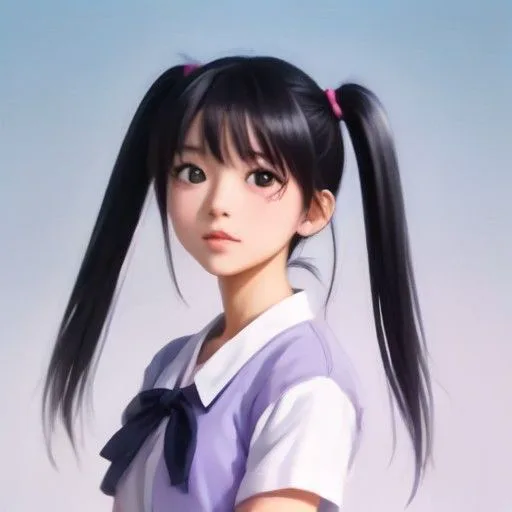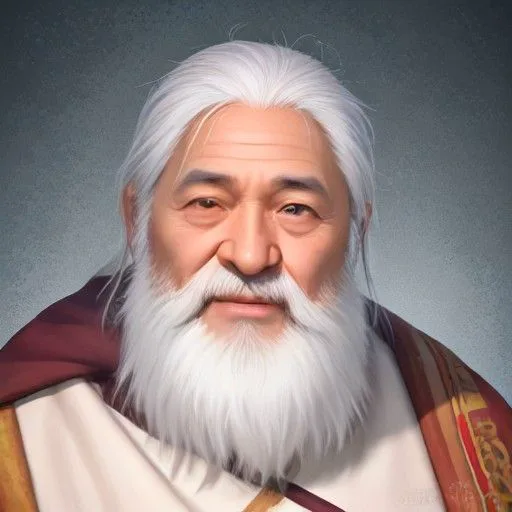
Storyteller
Classic · folk tale
● Storyteller narrator / xianxia openings
A pingshu-style storyteller: one line of “Now, on Mount Qingyun…” and the period is set. First choice for xianxia, wuxia and myth.
NarratorsMale9 languages
Xianxia drama dubbing is hard in three places: half-classical lines have to flow, titles like “this palace”, “We” and “Master” can't sound modern, and one episode needs separate voices for the emperor, the consort, the sect master and the young sword cultivator. Paste a costume, xianxia or palace-intrigue script into AI Drama Voice: the narration goes to the Storyteller, every emperor, consort, elder and disciple gets a period-appropriate voice, the emotions you write in brackets apply line by line, and you export MP3 plus SRT subtitles, with the same cast available in English.
Updated Nov 5, 2026Fact-checked Nov 5, 2026
Sample B · The sweeper who stunned the sect
Chinese · Script excerpt · 4 characters
Narrator (Storyteller)Calm
三年扫地,无人知他剑在何处。宗门大比这一日,满院落叶忽然停在了半空。
For three years he swept the courtyard, and no one knew where he kept his sword. On the day of the sect tournament, the falling leaves stopped in mid-air.
Senior brother · Xiao LingSarcastic
一个扫地的,也配站上擂台?
A sweeper? On the tournament stage?
The sweeper · Ye ChenExcited
师兄,接我一剑。
Senior Brother, take one strike.
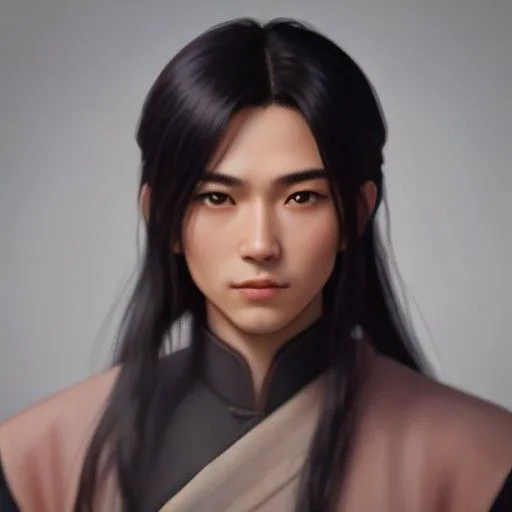
ElderExcited
这……这是失传百年的剑意!
That… that's a sword intent lost for a hundred years!
The studio below has the xianxia sample loaded: the Storyteller narrates, and Ye Chen, Xiao Ling, Yunyao and the sect master each have a voice. Change a line's emotion, or rename the sect master to “Elder”, and watch the cast list follow. Cast analysis costs no credits.
All three are our own cast. Sample B is a xianxia underdog story narrated by the Storyteller; Sample C is palace intrigue, followed by the same episode in English so you can hear how “His Majesty” and “sister” land.
Script excerpt · Sample B · The sweeper who stunned the sect
Narrator (Storyteller)Calm
三年扫地,无人知他剑在何处。宗门大比这一日,满院落叶忽然停在了半空。
For three years he swept the courtyard, and no one knew where he kept his sword. On the day of the sect tournament, the falling leaves stopped in mid-air.
Senior brother · Xiao LingSarcastic
一个扫地的,也配站上擂台?
A sweeper? On the tournament stage?
The sweeper · Ye ChenExcited
师兄,接我一剑。
Senior Brother, take one strike.
ElderExcited
这……这是失传百年的剑意!
That… that's a sword intent lost for a hundred years!
Script excerpt · Sample C · A jug of poison in the cold palace
NarratorCalm
冷宫的门三年没开过。今夜,贵妃端着一壶酒走了进来。
The cold palace door had not opened in three years. Tonight, the Noble Consort walked in carrying a jug of wine.
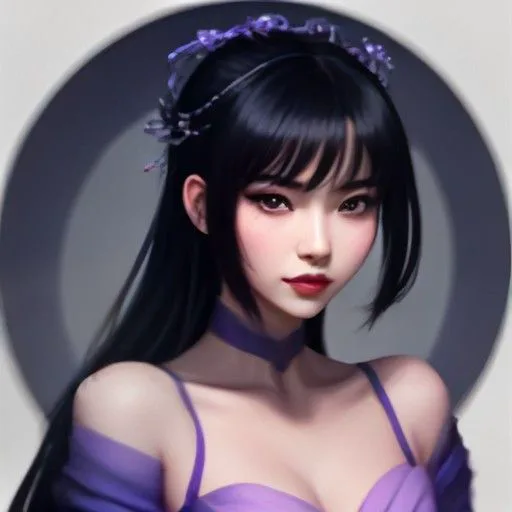
Noble ConsortSarcastic
姐姐,这是陛下赏你的,喝了吧。
A gift from His Majesty, sister. Drink up.

Deposed consort · Shen ZhiweiCold laugh
你的孩子,真的在你肚子里吗?
And your baby, is it really in there?
EmperorFurious
都给朕住口!
Silence, all of you!
Script excerpt · Sample C, English · A jug of poison in the cold palace
NarratorCalm
The cold palace door had not opened in three years. Tonight, the Noble Consort walked in carrying a jug of wine.
Noble ConsortSarcastic
A gift from His Majesty, sister. Drink up.
Deposed consort · Shen ZhiweiCold laugh
And your baby, is it really in there?
EmperorFurious
Silence, all of you!
Costume dramas run on rank, and the voices should show it: those above speak low and steady, the young speak bright and quick, and a storyteller sets the scene. When you cast a xianxia drama dubbing project, these are the usual picks for each role. Tap a portrait to preview.
Classic · folk tale
● Storyteller narrator / xianxia openings
A pingshu-style storyteller: one line of “Now, on Mount Qingyun…” and the period is set. First choice for xianxia, wuxia and myth.
Velvet · narrator
● Palace narrator / period romance
Warm and restrained, right for the stifling cold-palace and inner-court stories. It narrates Sample C.
Deep · commanding
● Emperor / prince / aloof master
Low and commanding. The emperor gets calm or furious, the scheming prince cold laugh, the aloof master stays calm almost throughout.
Bold · wuxia
● Sect master / general / wandering swordsman
A bold wuxia voice that carries an elder slamming the table or a general addressing the troops.
Clear · energetic
● Young sword cultivator / junior brother
A clear young voice, standard for the underdog lead, with a wide range from patient to explosive.
Cold · villainous
● Favoured consort / demon-sect saintess / rival
Cool and sharp. Cold laughs and sarcasm are the soul of palace intrigue, and “this palace” sounds best from her.
Mature · poised
● Empress / empress dowager / female master
Mature and composed, with an edge under the calm, for the empress, the dowager and the remote female master.

Soft · soothing
● Junior sister / gentle noble daughter
Soft and soothing, for the junior sister everyone protects or the sheltered daughter of a great house.
Bright · playful
● Spirited princess / maid
Bright and playful: wheedling, talking back, rushing in with news. The comic spark of a period romance.
Warm · grounded
● Old minister / veteran general / father
A weighty elder voice for remonstrating at court and laying down the law at home.
Lively · anime
● Demon king / mythical creature
A lively Chinese-animation voice for the spirits and monsters of Journey to the West or Classic of Mountains and Seas stories.
Period flavour doesn't come from pitching every voice low or reading like a recital. It comes from three things: the right words for each rank, sentences broken at natural phrases, and the powerful speaking more slowly than the powerless.
Xianxia drama dubbing software can perform each character's voice, emotion and pauses consistently. The script's vocabulary and phrasing still decide whether the result sounds like a costume drama or a modern drama in costume. So treat the points below less as voice tips and more as a pre-dubbing check for period scripts, whether you are voicing the Chinese original or preparing an English version.
Wrong titles are what viewers notice first. In the script, the name column holds the character's name and titles go inside the line; the same person refers to themselves differently depending on who they're talking to. These are the forms of self-reference and address that come up most in short dramas.
| Title | Who uses it / to whom | Note for dubbing |
|---|---|---|
| 朕 (the royal We) | The emperor, of himself | Emperor only; slow and steady from the first word |
| 陛下 / 皇上 (Your Majesty) | Officials and consorts to the emperor | Announcements like “His Majesty arrives” can go to the narrator or a eunuch |
| 本宫 (this palace) | Empress, senior consorts, crown prince, princesses, of themselves | Switches to 臣妾 when speaking to the emperor |
| 臣妾 (your humble consort) | A consort to the emperor | Softer, in contrast with how she speaks to servants |
| 哀家 (this widowed one) | The empress dowager, of herself | Mostly calm; age comes from pace, not excitement |
| 王爷 / 殿下 (Your Highness) | To a prince of the blood / to the crown prince, princes, princesses | Pick one form per character and keep it |
| 师尊 / 师父 (Master) | A disciple to their master; 师尊 is more formal | In xianxia the title is the seniority; never “teacher” |
| 在下 / 老身 | A man's humble “I” / an old woman's “I” | Common in jianghu and household dramas; don't stress them |
Period lines often mix classical and modern Chinese and pack several four-character phrases into one sentence. The worst thing a voice can do is read it in a single breath. Put a comma after each phrase when you write the script: “此子根骨奇佳,心性坚韧,百年难遇” (exceptional bones, steady heart, once in a century) pauses far more naturally than the same words without punctuation. Split long narrated descriptions into two or three rows, one image per row. In English versions the same rule holds: short clauses, one image per line.
In palace and sect dramas, the higher the rank, the fewer and slower the words. The emperor needs only “Silence, all of you!”, while young eunuchs and maids can talk fast and in fragments. Give rulers short lines and servants long ones in the script, and the hierarchy comes through in the dub.
Period Chinese is full of polyphonic characters, compound surnames and historical names that both AI and human voice actors misread. These 20 come up often in xianxia, palace and history scripts; when you voice a Chinese original, listen closely to the lines that contain them.
| Term | Correct reading | Common misreading | Where it shows up |
|---|---|---|---|
| 长老 (elder) | zhǎng lǎo | cháng | Sect elders |
| 少主 (young master) | shào zhǔ | shǎo | Young lord of a demon sect |
| 星宿 (constellation) | xīng xiù | sù | The 28 lunar mansions, star formations |
| 朝堂 (imperial court) | cháo táng | zhāo | Court debates (but 朝夕 is zhāo) |
| 纵横 (crisscross) | zòng héng | hèng | Sword energy sweeping the field |
| 叱咤 (to thunder) | chì zhà | chà | 叱咤风云, commanding the storm |
| 薄情 (heartless) | bó qíng | báo | The heartless lover |
| 一哄而散 (scatter) | yī hòng ér sàn | hōng | Watching disciples scatter |
| 衣冠冢 (cenotaph) | yī guān zhǒng | jiā (mistaken for 家) | Sword tombs, cenotaphs |
| 古刹 (old temple) | gǔ chà | shā | A temple deep in the mountains |
| 呜咽 (to sob) | wū yè | yàn | A sobbing flute |
| 禅让 (abdicate) | shàn ràng | chán | Yielding the throne (but 禅师 is chán) |
| 押解 (to escort a prisoner) | yā jiè | jiě | Escorted to the capital |
| 大夫 (official title) | dà fū | dài fu | Grand officials (a doctor is dài fu) |
| 单于 (Xiongnu ruler) | chán yú | dān | The Xiongnu chanyu |
| 可汗 (khan) | kè hán | kě hàn | Khans of the steppe |
| 阏氏 (chanyu's consort) | yān zhī | è shì | The chanyu's queen |
| 龟兹 (Kucha) | qiū cí | guī zī | Western Regions kingdoms |
| 尉迟 (surname) | yù chí | wèi | Compound surname Yuchi |
| 澹台 (surname) | tán tái | dàn | Compound surname Tantai |

If a word is misread
Listen first, then rewrite: replace the misread word with a synonym (or call the character by name) and regenerate only that line. Voice the leads' names before the script is final; a misread compound surname found after a whole season is in place is the most expensive fix there is. More methods in the polyphonic character guide.
One original line for each of the 12 most common character types in costume and xianxia drama, with the suggested voice and emotion. Rename and paste them into your xianxia drama dubbing script, or use the format to tag your own lines. These are English renderings written for this page.
| Character type | Suggested voice | Script line (original example) |
|---|---|---|
| Emperor | The CEO | Emperor (calm): We gave you a chance. Three times. |
| Scheming prince | The CEO | Prince (cold laugh): Mine. And you thought you could touch her? |
| Aloof master | The CEO / Elegant Lady | Master (calm): The sword lives in your heart, not your hand. Three more years. |
| Sect elder | Wandering Hero | Elder (excited): A sword intent like this, in a hundred years I've never seen it! |
| Young sword cultivator | Young Hero | Disciple (excited): Senior Brother, this strike is for our master! |
| Favoured consort | Ice Queen | Consort (sarcastic): Your good fortune, sister? This palace will keep it for you. |
| Empress | Elegant Lady | Empress (calm): Every debt in this harem, this palace remembers. |
| Empress dowager | Elegant Lady | Dowager (calm): I am old. I am not blind. |
| Spirited princess | Sweetheart | Princess (excited): Brother! You promised me that red mare! |
| Junior sister | Gentle Heart | Junior sister (whisper): Don't look back… they've caught up. |
| Wandering swordsman | Wandering Hero | Swordsman (excited): Good wine! This jar is for every hero under heaven! |
| Storyteller narrator | Storyteller | Narrator: Now, on Mount Qingyun there stood a sword tomb no one had dared to enter for three hundred years. |
Xianxia and period romances love to open or close on a couplet. Give each couplet its own narrator row, for example “Storyteller: Ten years I swept the steps of leaves; one stroke split ten thousand miles of cloud.” (an original line). Chinese seven-character lines are read in a 2-2-3 rhythm and five-character lines in 2-3, with a comma or full stop between the two halves; the exported SRT then gets exactly one subtitle per couplet. Don't put a whole poem on one row, or the subtitle fills the screen.
Keep bracket notes plain
Emotions are recognised from keywords inside the brackets, so a flowery note can flip the tag: “(laughing with rage)” reads as furious because it contains “rage”, and Chinese notes like (怒极反笑) and (梨花带雨地哭) read as furious and choked. A note that isn't one of the eight tags, such as (half a smile), is passed to the voice as a delivery direction. A bracket longer than 20 characters turns the whole row into narration.
These three clips use third-party voices and are not our cast. They're here as a reference for three common period styles: storyteller narration of a myth, a wuxia scene played quiet in the snow, and a brisk period comedy.
Script excerpt · Wuxia · He came back in the snow to pay for the wine
Narrator (storyteller)Calm
少年手脚麻利地把酒坛坐上炉子,背对着众人,拿铁勺搅了几下。
The boy set the wine jar on the stove, back to the room, and gave it a few stirs with an iron ladle.
Constable · Yan LingCold laugh
老人家,从哪儿来?
Where are you from, old man?
Old swordsman · Xie GuhongCalm
从来的地方来。
From where I came from.
Constable · Yan LingCold laugh
您这双手,不像拉琴的手,倒像握剑的。
Those hands don't look like they play the erhu. They look like they hold a sword.
Old swordsman · Xie GuhongCalm
姑娘好眼力。可惜眼睛瞎了的人,什么剑都握不住了。
Sharp eyes, miss. A pity a blind man can't hold any sword at all.
The boy · A Jiu
老爷子,您拉一段呗?这么大的雪,干坐着怪冷清的。
Play us something, grandpa? It's dreary sitting here in all this snow.
Old swordsman · Xie GuhongCalm
琴弦冻断了。等雪停了,再拉给你听。
The strings froze and snapped. When the snow stops, I'll play for you.
Script excerpt · Period comedy · The bridal sedan went to the wrong house
Second daughter · Lu ZhiweiSarcastic
侯爷这是嫌弃我?
Is the marquis turning his nose up at me?
Marquis · Xiao HengCalm
是怕你后悔。
I'm afraid you'll regret it.
Second daughter · Lu ZhiweiCalm
侯爷想多了。王妈妈,这门,咱们不回了。
You worry too much, my lord. Nanny Wang, we're not going back through that door.
Matchmaker · Nanny WangExcited
姑娘!你这说的是什么胡话!
Miss! What nonsense are you talking!
Narrator
门外一声咳嗽。老管家福伯拎着一个满头大汗的轿夫,慢悠悠走了进来。
A cough outside. Old steward Fu strolled in, hauling a sweat-drenched sedan bearer.
Steward · Uncle FuCalm
侯爷,人带来了。还有一桩:白家小姐的花轿进了裴家,那边的堂,也拜完了。
My lord, here he is. One more thing: Miss Bai's sedan went to the Pei house, and the wedding bows there are done.
Marquis · Xiao HengCalm
白小姐可有哭闹?
Did Miss Bai make a scene?
Script excerpt · Primordial myth · I woke up as Mount Buzhou
Geologist · Zhou Yue
那你呢?撞完了,你会怎么样?
And you? After the collision, what happens to you?
Water god · GonggongCalm
我?头破血流,被后人骂上一万年。换一个人间,值。
Me? A broken head, and ten thousand years of curses. For a new world, it's worth it.
Narrator (storyteller)
周岳愣了半晌,忽然叫出声来:
Zhou Yue stared for a long moment, then burst out:
Geologist · Zhou YueExcited
定向爆破!你这是要给天柱做定向爆破!
Controlled demolition! You're planning a controlled demolition of the pillar of heaven!
Water god · GonggongCalm
什么破?
A what?
Geologist · Zhou YueExcited
不重要!可是不对啊,大水往东南流,山脚那个部落……
Never mind! But wait, the flood will run southeast, and the tribe at the foot of the mountain…
Water god · GonggongCalm
三天前,我就让他们往西北的高地迁了。你醒来时看见的,是最后一拨。
Three days ago I sent them to the northwest highlands. The ones you saw when you woke were the last of them.
Costume dramas have big casts and tangled ranks, so the key is fixing titles and character names before you start.
Write each character's name one way for the whole series, say always “Shen Zhiwei”, never “the deposed consort” in one scene and “Lady Shen” in the next. Titles (Your Highness, Master) go inside the dialogue.
Use the “Name (emotion): line” format; rows without a name become narration. Preview each voice in the cast list, and don't give the emperor, the sect master and the elder the same low register.
Tip · The default narrator is Midnight Radio; for xianxia, wuxia and myth, switch it to the Storyteller.
Generate one episode first and listen to names, compound surnames and the terms in the table above. Rewrite any misread line with a synonym and regenerate only that line.
Download the MP3 and the line-timed SRT and line them up in CapCut. Going overseas, tick English, Vietnamese and others; the same cast voices them all in one run.
The hard part of exporting a costume drama isn't the dialogue; it's the titles and the cultivation vocabulary. Foreign versions are translated line by line by AI into spoken language, with the speaker and emotion of each line visible to the translator. These are the conventions in each language, useful as a checklist when you review.
English · English
English has no equivalent of 本宫 or 臣妾, so translations usually just say “I” and carry the rank in the form of address: Your Majesty for the emperor, Your Highness for princes, Master for 师尊, Senior Brother for 师兄. Cultivation terms already have settled English forms in the web-novel translation community.
Vietnamese · Tiếng Việt
Vietnamese audiences grew up on Chinese costume dramas, and dubs often keep Sino-Vietnamese titles, which sound more period, not less. Most cultivation terms have ready Sino-Vietnamese readings too.
Thai · ไทย
Thai has a dedicated vocabulary for royalty, and costume-drama dubs borrow it so rank is audible at once. Sect titles have fixed Thai forms as well.
“Okay”, “no problem” and “sure” break a costume drama no matter how well they're voiced. Use “Yes”, “As you command”, “Understood”.
“Your Highness” in one scene and “my lord” in the next, and viewers wonder whether it's someone new. Fix each title once and keep it.
Emperor, prince, sect master and elder all in deep voices turns a court scene to mush. Give the sect master Wandering Hero and the old minister The Father to separate the layers.
A long row fills the subtitle and makes pauses hard to control. One couplet per row, given to the narrator.
Storyteller narration is flavourful, but an excited narrator on every line buries the characters' big moments. Keep the narrator calm and leave the emotion to the cast.
Finding a misread compound surname after the whole season is voiced means the most rework. Confirm the leads' names by ear in episode one.
Sects, masters and disciples, tournaments: a dozen characters in an episode is normal. Voice the whole script in one pass with the Storyteller opening it; see AI comic dubbing.
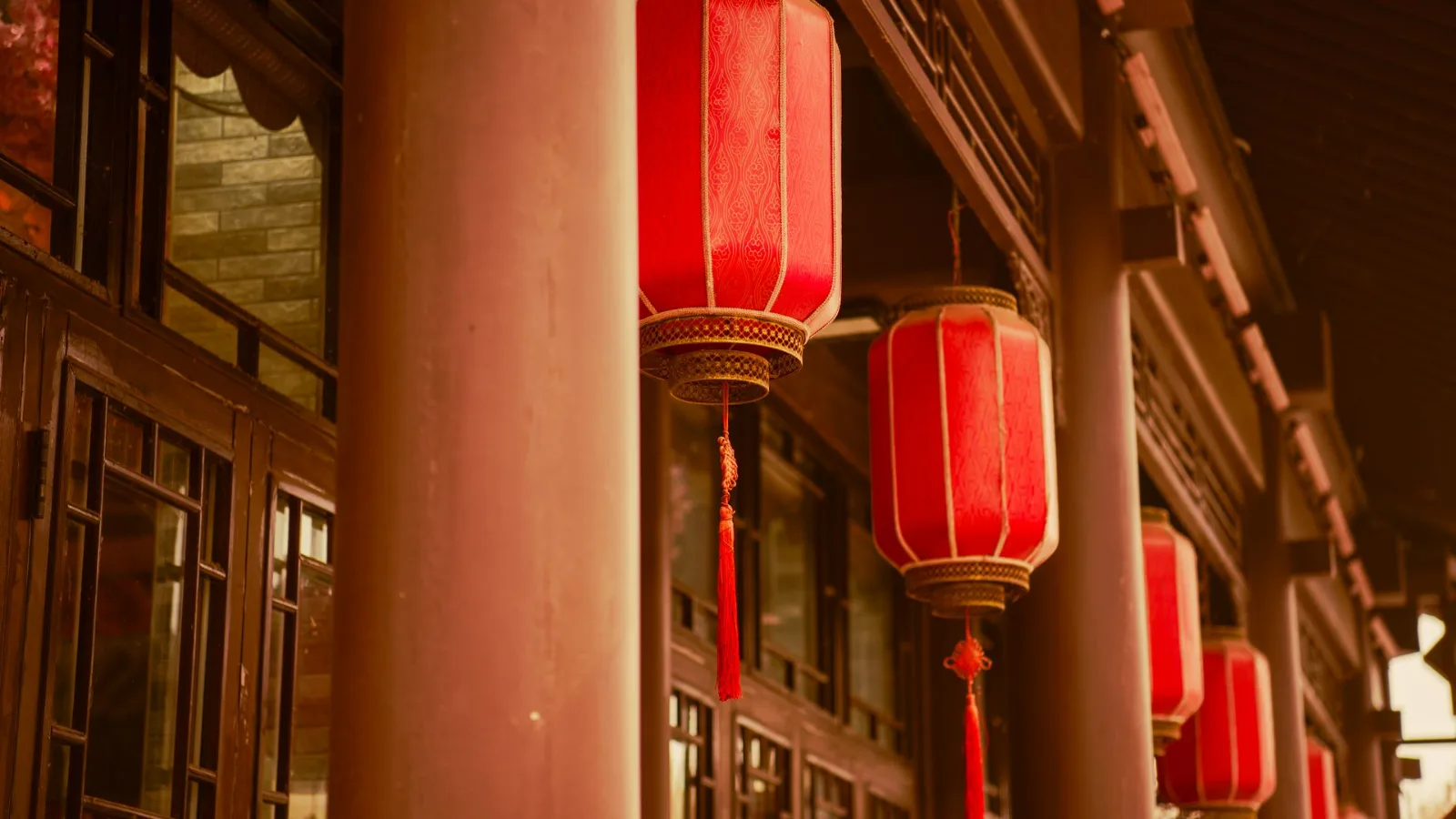
Empress, consort and dowager scenes run on cold laughs and sarcasm, with the same cast from the first episode to the finale.
The heroine narrates in first person while the prince or marquis answers in his own voice; see novel promo voiceover.
Voice by chapter with separate narrator and character voices, then add music and sound effects in post.
Broadly two: tools that read a whole passage in one voice, and dubbing tools that split a script into characters, one voice each. Costume and xianxia dramas have big casts, so they need the second kind. AI Drama Voice is the second kind: paste the script, get a cast list, give the emperor, consort and master their own voices, and voice the same cast in other languages.
Five come up most: a storyteller narrator in pingshu style, a bold wandering swordsman, a low emperor or prince, a cool consort or rival, and a clear young cultivator. Our matching voices are Storyteller, Wandering Hero, The CEO, Ice Queen and Young Hero, all previewable in the voice library.
Get the titles right, break long half-classical lines at natural phrases, and have the powerful speak slowly and the powerless quickly. The voice is half of it; the script's words and phrasing are the other half. See the title table and phrasing notes on this page.
With any xianxia drama dubbing tool, listen first: rewrite a misread line with a synonym and regenerate only that line. Polyphonic characters, compound surnames and historical names are the usual culprits; this page lists 20 of the most frequent. More in the polyphonic character guide.
Yes. Tick English and each line is first translated by AI into natural spoken English (the translator sees the speaker and emotion), then voiced by the same cast; you export an English MP3 and SRT. The established renderings of 师尊 and 师兄 are Master and Senior Brother, worth checking in review. Vietnamese, Thai and more can go in the same run; see English dubbing.
No. AI Drama Voice voices dialogue and narration only; it doesn't sing and doesn't do opera vocals. Theme songs and background music need to be sourced separately and mixed with the dub in your editor.
Paste the script, fix the titles, check the tricky words: every emperor, consort and master gets a voice, and the same cast can speak other languages.
Billed by characters generated · Failed runs refunded automatically · Alipay, WeChat Pay and cards