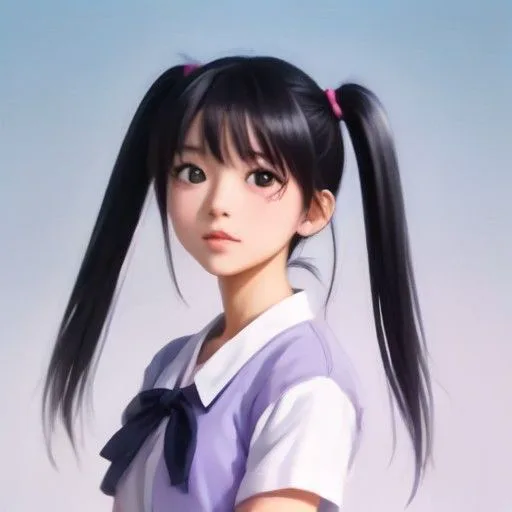
Midnight Radio
Velvet · narrator
● Narrator
Midnight Radio: the only narrating voice in the series
NarratorsMale9 languages
Inconsistent character voices are one of the fastest ways to lose a series audience: in episode 7 the male lead suddenly sounds like someone else. The short answer is that the cause is almost never the voice model. It is the process: no locked cast list, recasting every episode, one character written under several names, and a separate set of voices for the foreign versions. This guide walks through the four causes, the four fixes, and what to do about episodes that are already dubbed or even published.
Updated Nov 5, 2026Fact-checked Nov 5, 2026
English · The Engagement Party Strikes Back
English · Script excerpt · 4 characters
NarratorCalm
Reborn on the day of her engagement party, she could finally see the scheme behind every smile.
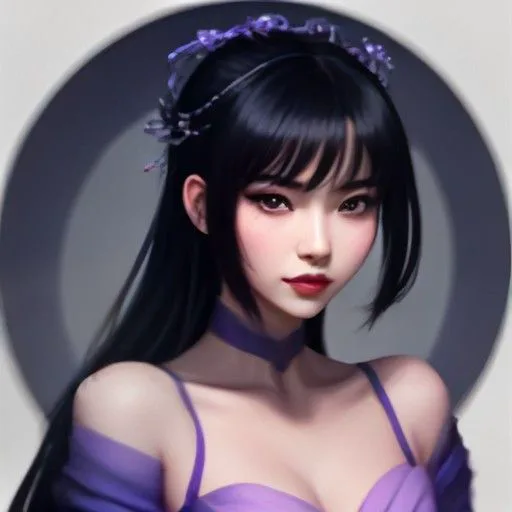
Heroine · Lin WanCold laugh
Keep that glass. You'll want it for yourself.
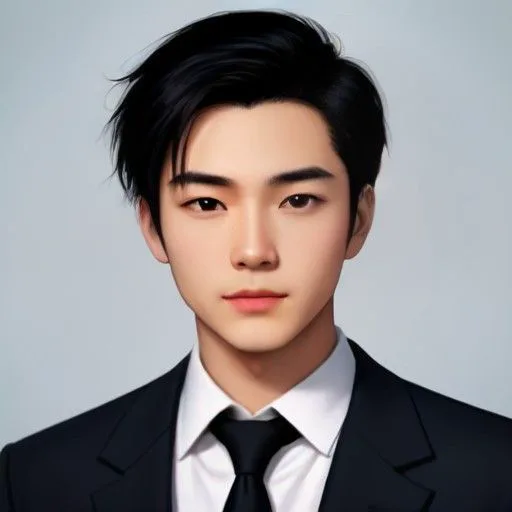
Fiancé · Gu ChengFurious
Have you lost your mind? This is our engagement party!

Father · Lin ZhenguoChoked up
Wanwan… is all of that true?
Locate the problem, set the rules, then repair. Don't re-dub the whole series the moment you notice.
Step 1
Pull out that character's first line in each episode and play them back to back in episode order. The episode where the voice changes is where the production step went wrong.
Tip · The leads and major supporting roles are usually enough; viewers rarely notice an extra's voice changing.
Step 2
Check the table below: a new tool, a recast voice, inconsistent names in the script, or a separate voice for a foreign version. Each cause has a different fix.
Step 3
Take the version the audience has heard most, usually the first episodes, as the reference, fix each main character's voice and write it into the cast list.
Step 4
Before each episode is generated, check every character's voice against the cast list, switch back anything that differs, then generate.
Step 5
Re-voice only the lines of the character who drifted and swap them in your editor; leave every other voice and the picture alone.
These four causes cover the vast majority of cases. The “what it sounds like” column helps you spot yours quickly.
| Cause | Typical situation | What it sounds like |
|---|---|---|
| A different tool or model | Episodes 1–10 in tool A, the rest in tool B; or the platform upgraded its model | The whole voice changes: both are a “deep male voice”, but timbre, accent and habits differ |
| Recasting every episode | Different people dub different episodes, or the tool auto-casts each one afresh | In one episode the male lead suddenly sounds younger or older, the heroine sweeter or colder |
| One character, several names | Nora in one episode, Nor or the heroine in the next | The same person has two voices within one scene, like two people talking |
| A separate voice set for foreign versions | AI for the Chinese, a vendor or another tool for the foreign versions | The foreign male lead sounds like a different actor who doesn't fit the role |
One cause people overlook
Speeding up, slowing down or pitch-shifting an episode in the edit also changes how a voice sounds. Once the dub is final, leave its pitch and speed alone in the editor.
Two layers. The timbre does not change: the same AI voice calls the same underlying voice every time, so tone colour, apparent age and gender stay stable. Delivery varies a little: generate the same line twice and the pauses and inflection differ slightly, more so with strong emotion tags such as furious or choked up. That is normal performance variation; what viewers hear as a change of actor almost always comes from the four causes above.
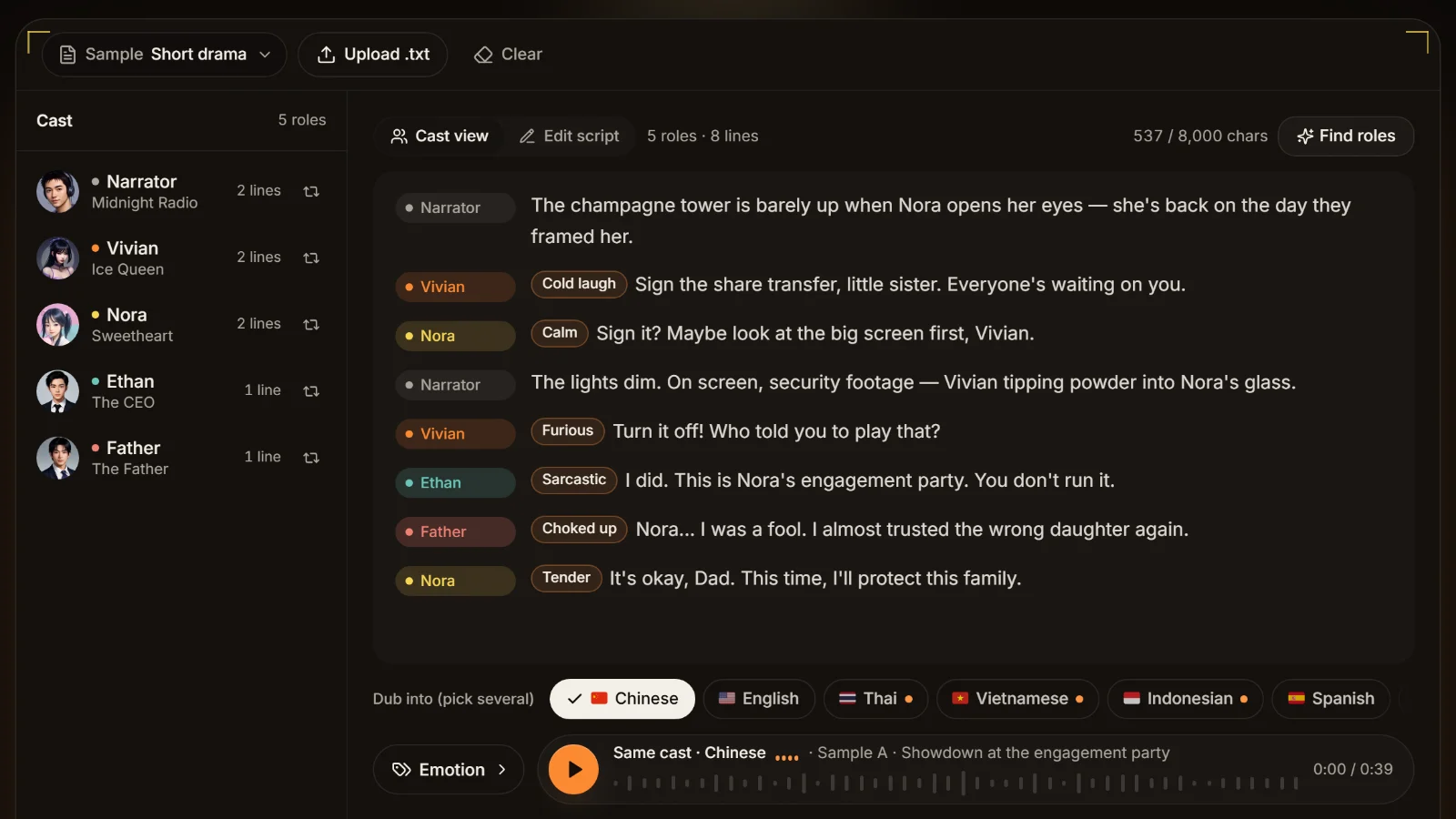
Consistency means two things: the same character sounds the same in every episode, and different characters never blur into one voice. These four fixes cover both.
The cast list is the series' voice record: set it in episode 1 and use it for every episode after. Five columns are enough:
| Character (one spelling) | Aliases not allowed | Voice | Delivery notes | First appears |
|---|---|---|---|---|
| Narrator | — | Midnight Radio | Steady; slows before a twist | Ep 1 |
| Lin Wan | Wanwan, the heroine | Ice Queen | Restrained at first, cold after her rebirth | Ep 1 |
| Gu Cheng | Mr. Gu, the fiancé | The CEO | Arrogant, loses control when exposed | Ep 1 |
| Su Tian | the best friend | Sweetheart | Sugary on the surface, a smile at line ends | Ep 1 |
| Lin Zhenguo | Father, Dad | The Father | Slow; chokes up in emotional scenes | Ep 1 |
Automatic casting is convenient, but it only sees the current episode's script. When a new character appears or the order of appearance changes, the same name can get a different voice. So from episode 2 on, spend a minute before each generation checking every role against the cast list. Names in the script must use the cast list's one spelling, never an alias; the layout rules are in short drama script format.
Foreign versions are where characters most often “change actors”. If the Chinese and foreign versions are voiced separately, it is nearly impossible for a character to sound like the same person in both. The reliable approach is one multilingual voice per character that performs every language. In AI Drama Voice, tick Chinese and every foreign language you need in a single generation; all of them share one character-to-voice map, so each character has the same voice in all nine languages.
This is the cast used in the sample below. Each role has exactly one voice, which performs both the Chinese and the foreign versions. Use the button by a portrait to preview the voice.
Velvet · narrator
● Narrator
Midnight Radio: the only narrating voice in the series
Cold · villainous
● Heroine · Lin Wan
Ice Queen: cold laughs and sarcasm after her rebirth
Deep · commanding
● Fiancé · Gu Cheng
The CEO: furious once he is exposed

Bright · playful
● Best friend · Su Tian
Sweetheart: sweet with a sting
Warm · grounded
● Father · Lin Zhenguo
The Father: chokes up on the last line
The same scene in Chinese, English and Indonesian. Listen to the heroine and the fiancé: the language changes, the person doesn't. Lines are script excerpts.
Script excerpt · Chinese original
NarratorCalm
重生回订婚宴的这一天,她终于看清了每一张笑脸背后的算计。
Reborn on the day of her engagement party, she could finally see the scheme behind every smile.
Heroine · Lin WanCold laugh
这杯酒,你还是留着自己喝吧。
Keep that glass. You'll want it for yourself.
Fiancé · Gu ChengFurious
你疯了?今天是我们的订婚宴!
Have you lost your mind? This is our engagement party!
Father · Lin ZhenguoChoked up
晚晚,你说的……都是真的?
Wanwan… is all of that true?
Script excerpt · English · The Engagement Party Strikes Back
NarratorCalm
Reborn on the day of her engagement party, she could finally see the scheme behind every smile.
Heroine · Lin WanCold laugh
Keep that glass. You'll want it for yourself.
Fiancé · Gu ChengFurious
Have you lost your mind? This is our engagement party!
Father · Lin ZhenguoChoked up
Wanwan… is all of that true?
Script excerpt · Indonesian · same cast
NarratorCalm
Terlahir kembali di hari pertunangannya, akhirnya ia bisa melihat siasat di balik setiap senyuman.
Reborn on the day of her engagement party, she could finally see the scheme behind every smile.
Heroine · Lin WanCold laugh
Gelas ini, lebih baik kamu minum sendiri saja.
Keep that glass. You'll want it for yourself.
Fiancé · Gu ChengFurious
Kamu sudah gila? Hari ini pesta pertunangan kita!
Have you lost your mind? This is our engagement party!
Father · Lin ZhenguoChoked up
Wanwan… yang kamu katakan itu… semuanya benar?
Wanwan… is all of that true?
Straight answer
AI Drama Voice doesn't yet remember the previous episode's casting; each episode is analyzed on its own, so consistency across episodes depends on your cast list. Also, native voices labelled English only, Japanese only and so on speak one language; to keep one voice across languages, choose a multilingual voice.
Yes, and usually without redoing whole episodes. Locate the character and episodes that drifted, then decide which version is the reference: for a published drama, the version most viewers heard, usually the early episodes; for an unpublished one, whichever you like best.
| Situation | What to do |
|---|---|
| One or two characters drifted in a few episodes | Paste those characters' lines from those episodes as a short script, set the cast-list voices, generate only those lines and swap them in line by line |
| A whole episode sounds wrong (tool was changed) | Regenerate the episode from the cast list; it's faster than line-by-line swaps |
| Foreign version voices differ from the Chinese | Regenerate the foreign versions from the Chinese script, with the Chinese version's voices selected |
| Already published with real viewership | Leave published episodes as they are and make everything consistent from the next one, so viewers don't hear a third voice in the same drama |
The line-swapping steps are in the CapCut (Jianying) sync guide. Regenerating is charged only for the lines you paste; see pricing.
Don't wait until episode 10 to find the voices have drifted. A simple cast list from day one beats a perfect one later.
One spelling for each lead. Nicknames and forms of address belong inside the dialogue, never in the Name: position.
Tick every language you can in the same generation; it is easier than adding versions later and keeps the voices identical.
After generating, play each lead's first line of the episode against the previous episode's; drift shows up immediately.
Only one person may change the cast list; “everyone voices their own” is how team dubs fall apart. More on multi-voice work in multi-character dubbing.
Inconsistent character voices are usually a process problem, not a model problem: the dubbing tool changed, each episode was recast, one character was written under different names, or the foreign versions used another set of voices.
The timbre doesn't change, because the same voice uses the same underlying voice every time. Delivery and pauses vary slightly between takes, more so on lines with strong emotion; that is normal performance variation.
Have one multilingual voice perform both the Chinese and the foreign versions. In AI Drama Voice, tick Chinese and the foreign languages in one generation and they all share one character-to-voice map.
Keep one cast list that only one person can edit, use one dubbing tool for the whole drama, agree on how emotion tags are written, and check each episode against the cast list before generating.
Yes. Regenerate only the drifted character's lines from those episodes with the cast-list voice and swap them in your editor; for published episodes you can also leave them and make things consistent from the next episode.
It means each character keeps one voice in every episode and no two characters share a voice in a way that confuses listeners. A fixed cast list, consistent names and clear contrast between scene partners achieve it.

Paste a script to build a cast list. The voices you choose speak Chinese and eight foreign languages; generate every episode from the same list.
Billed by characters generated · Failed runs refunded automatically · Alipay, WeChat Pay and cards